Faculty of Arts
If you are interested in studying at the Graduate School of Humanities and Social Sciences, please get it touch with our friendly team.
Redefine your future at Australia’s #1 university for Arts, Humanities and Social Sciences*
*QS World Rankings by Subject 2021
Find a course
Our degrees are world-class, and our academics encourage critical inquiry, creativity, and a questioning of ideas.
-
Scholarships
Find graduate scholarships via the central University website, including our generous scholarships for international students of up to 50% fee remission for coursework Masters degrees.
-
Application information
Find out more information on how to apply, supporting documents, tuition fees, frequently asked questions and more, on the Faculty of Arts website.
-
Graduate Access Melbourne
The Graduate School of Humanities and Social Sciences is committed to extending opportunities for graduate study to under-represented groups.
-
Frequently asked questions
Please check our frequently asked questions covering topics including: Research, Fees, Entry requirements, Master of Cultural Materials Conservation, Accepting my offer and Executive Master of Arts.
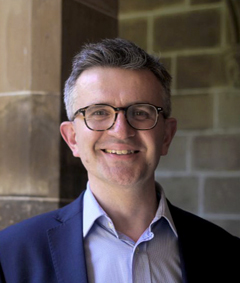
Dean of the Faculty of Arts
The Graduate School of Humanities and Social Sciences is a place where academic excellence and innovation meet and where ideas and practice are brought together. We aim to develop ethical leaders with the knowledge, skills and passion to make a positive contribution to the world.
Make an enquiry
If you are interested in studying at the Graduate School of Humanities and Social Sciences, please get it touch with our friendly team.